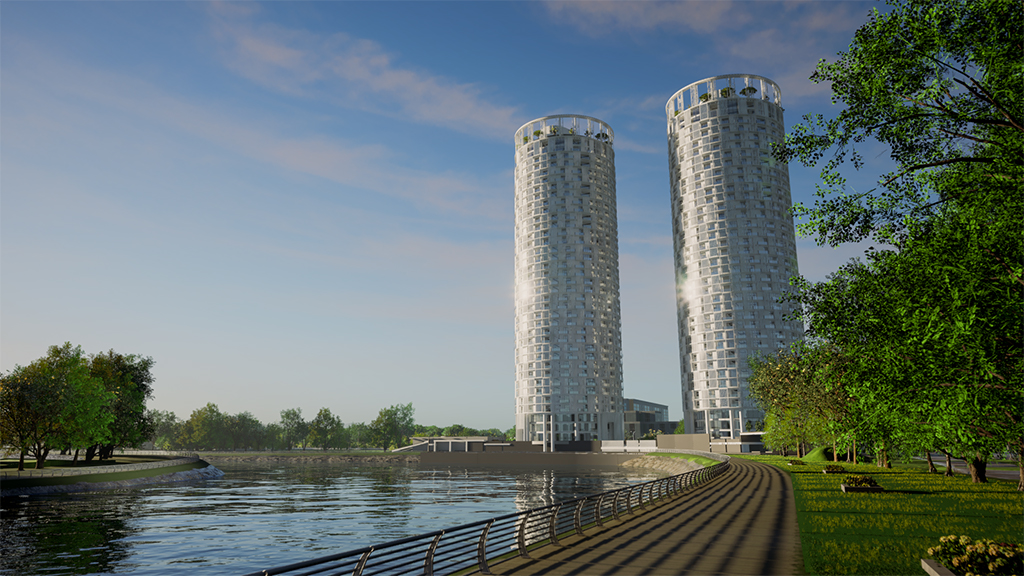
Property value is never determined by a single factor. Among all influences, location remains the most powerful and consistent driver. However, modern real estate markets are no longer shaped by static geography alone. Location trends now evolve with infrastructure development, digital connectivity, lifestyle preferences, and economic shifts. Understanding these changing patterns helps buyers, investors, and developers make smarter decisions in a competitive market.
The Role of Infrastructure Development
Infrastructure plays a key role in transforming property values over time. New roads, metro lines, airports, and commercial hubs can instantly elevate an area’s appeal. A previously overlooked neighborhood can quickly become a hotspot once connectivity improves. Government initiatives such as seva sindhu karnataka also contribute indirectly by streamlining public services, making regions more efficient and attractive for residents. These developments reduce travel time, improve convenience, and ultimately drive demand for properties in those locations.
Lifestyle Driven Location Choices
Modern buyers are increasingly prioritizing lifestyle over mere affordability. Proximity to schools, healthcare facilities, shopping centers, and recreational spaces significantly impacts property desirability. Areas that offer a balanced lifestyle tend to experience higher demand and price appreciation. Interestingly, even cultural trends reflected in online behaviors such as sharing a sad girl dp or engaging with social content can highlight shifting urban lifestyles where emotional wellness and environment play a role in choosing where to live. Locations that support community interaction and mental well being are gaining traction.
The Impact of Digital Connectivity
In today’s world, digital infrastructure is just as important as physical infrastructure. High speed internet, remote work opportunities, and access to online platforms are reshaping where people choose to live. The rise of platforms like coyyn.com digital economy highlights how digital ecosystems are influencing economic activity beyond traditional business hubs. As a result, smaller cities and suburban areas are becoming more attractive since people can work remotely without compromising on career opportunities. This shift has led to rising property values in areas that were previously considered secondary markets.
Economic Growth and Employment Hubs
Employment opportunities are one of the strongest indicators of property value growth. Areas near IT parks, industrial zones, or business districts typically experience rapid appreciation. When job opportunities increase, so does the demand for housing. Over time, supporting services such as retail, education, and entertainment follow, creating a self sustaining ecosystem. Even niche online platforms like womencricketdaily.com reflect how digital industries and specialized content spaces contribute to economic diversification, indirectly influencing where people choose to settle and invest.
Social Trends and Cultural Influence
Social trends also play a subtle yet important role in shaping property values. Popular culture, social media, and entertainment influence perceptions of neighborhoods. Areas that gain popularity due to lifestyle appeal or community engagement often see increased interest from younger buyers. Even lighthearted trends such as sharing pasta puns online reflect how communities connect and build identity in modern urban settings. Locations that foster a sense of belonging and cultural vibrancy tend to perform better in the long run.
Supply and Demand Dynamics
While trends influence desirability, the basic principle of supply and demand still applies. Limited availability of land in prime locations leads to higher prices. On the other hand, emerging areas with ample supply may offer affordability but require time to appreciate. Investors who can identify upcoming location trends early often benefit the most. Recognizing patterns such as infrastructure announcements, migration trends, and lifestyle shifts can provide a significant advantage.
Conclusion
Location trends are no longer static or predictable. They evolve with infrastructure, technology, economic activity, and social behavior. From improved connectivity and digital economies to lifestyle preferences and cultural influences, multiple factors now shape property values. Buyers and investors who stay informed about these trends are better positioned to make profitable decisions. Understanding how and why locations gain or lose value is essential for navigating the ever changing real estate landscape.